
Research-informed
design
Residential work benefits when design practice and structured inquiry share the same language — especially around performance, buildability and what drawings can honestly claim.
Question
How the home is lived in, before a rating or a habit decides the plan.
Evidence
What is already known, and what is still an assumption that needs a test.
Drawing
The decision recorded so a builder or an assessor can see the claim.
Site
What the existing building and the construction actually reveal.
Why housing design needs research
Homes are lived in for decades, yet many design conversations stop at imagery. Research — when it is grounded and communicated plainly — helps separate tested ideas from habit: how orientation affects comfort, how alterations hide structural unknowns, how documentation shapes what builders and councils can assess.
We do not present research as a marketing badge. It is a way to keep decisions accountable: what we know, what we are still testing, and what your project needs verified on site.
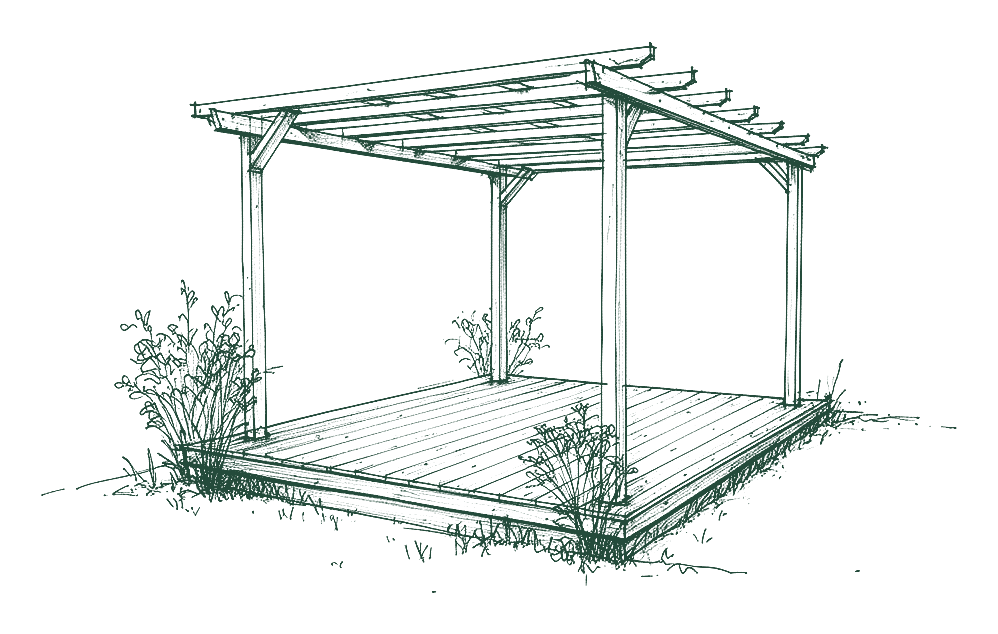
How we work with universities
Alongside client projects, we contribute to research collaborations where scope, ethics and publication are agreed upfront.
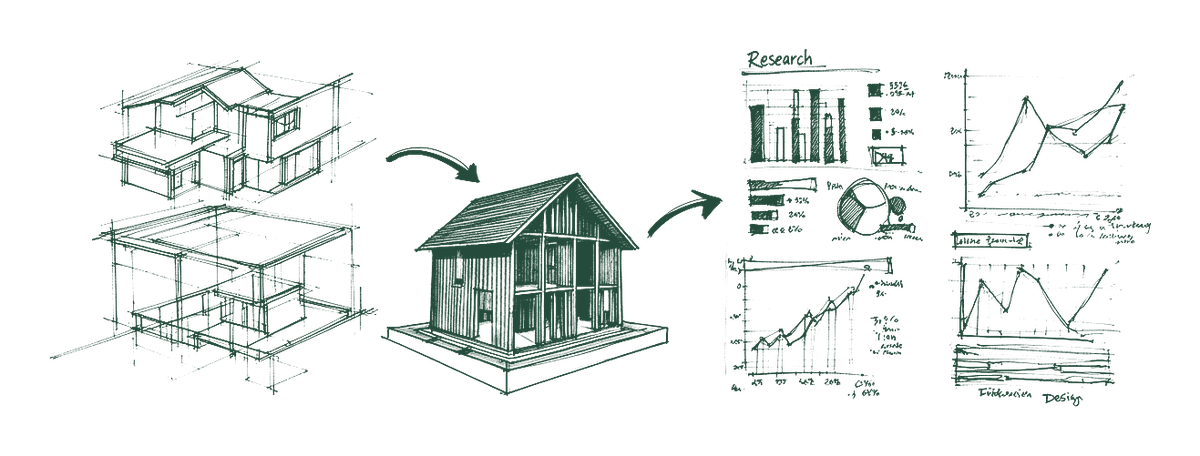
Residential energy and orientation
How layout, glazing and shading interact with everyday use — not as a rating sticker, but as decisions you live with.
Buildability and cost drift
Where early design choices tend to amplify or contain construction risk, and how documentation can make those trade-offs visible before tender.
Hidden conditions in alterations
Renovation projects often carry incomplete records. Research here focuses on how assumptions are flagged, investigated and reflected in the drawing set.
Visual explorations tied to research may appear on Concepts, always labelled as illustrations — not client projects.
How research feeds the six-stage process
Inquiry does not replace your brief — it sharpens how we run the work. The same staged process applies whether or not a university partner is involved; research mainly changes which questions we raise early and how we document answers.
Define the brief
Research themes inform the questions we ask about how your home should work — not generic checklists.
Understand the constraints
Site, structure and performance assumptions are separated from what still needs evidence.
Explore & develop
Options are discussed with buildability and documentation clarity in view.
Documentation & next steps
Drawing issues match the agreed purpose — including approval pathways where scoped.
Talk through your project
Tell us what you are planning and whether performance, alteration risk or documentation clarity are central to your brief. We can discuss scope without assuming a research partnership is required.
Research here is a way to keep a decision accountable: what is known, what is still being tested, and what the site still has to prove.